Pink Gold Glitter Tumbler Wrap: A Designer’s Take
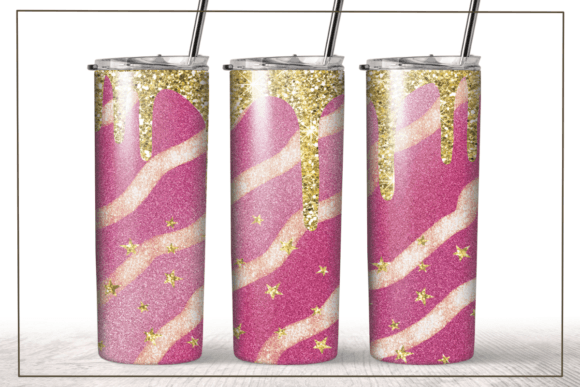
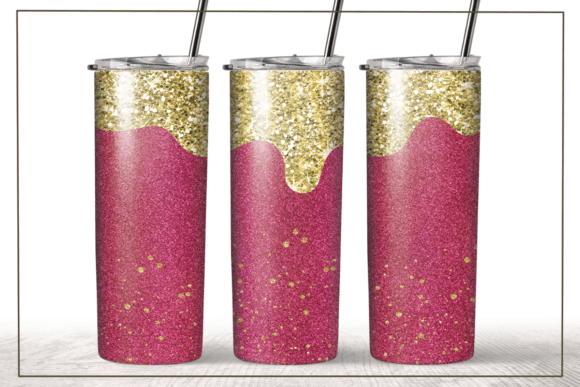
When I first opened the Pink Gold Glitter Tumbler Wrap, I felt that instant spark of a design that knows exactly what it wants to be. It’s not just a graphic—it’s a mood. The soft pink base kissed with metallic gold glitter creates a look that’s equal parts celebratory and sophisticated. My immediate thought wasn’t about tumblers at all. I saw this on a custom boutique sweatshirt, a luxe tote bag, or even a series of embroidered patches with a glossy thread palette. As someone who reviews embroidery resources daily, I’m trained to look past the intended use and ask: how would this actually behave in a real maker’s workflow? That’s the lens I’m using here.
First Impressions and the Emotional Pull of the Design
The template itself is sized at 9.3 by 8.2 inches, fitting a 20 oz skinny tumbler perfectly. The download includes a straight and tapered PNG file in high resolution, so you’re not stuck guessing. The glitter effect is rendered digitally, but it reads as dimensional and almost tactile. The pink is warm, not too candy-sweet, and the gold has that champagne brightness that plays well with neutral craft materials. In an embroidery context, I’m already imagining how a satin stitch in a metallic gold thread would mimic that shimmer, and how a soft pink fill stitch could anchor the background. It’s a design that feels gifty and personal, and that’s a huge advantage for small business owners who want their handmade products to carry an emotional charge.
Where This Design Shines in Real Embroidery Projects
If you’re an embroidery designer or a craft business owner, you’re probably not just looking at tumbler wraps. You’re thinking about how a visual asset can translate across your product line. Here’s where I see the Pink Gold Glitter Tumbler Wrap making a real impact after a thoughtful adaptation:
- Custom apparel accents: Imagine a small version of this design digitized as a left-chest emblem on a crewneck sweatshirt. The glitter effect can be hinted at with a metallic thread, while the pink stays soft and matte.
- Embroidered patches: This is a natural fit. The straight and tapered shapes already suggest a badge-like layout. A patch with a pink base and gold merrowed edge would sell beautifully at a craft fair.
- Tote bags and canvas pouches: A full-wrap print on a tote is one thing, but an embroidered interpretation using a dense fill stitch on a canvas panel gives a handcrafted, premium feel that customers trust.
- Boutique baby items: The color palette is gentle enough for a baby bib, a nursery pillow cover, or a personalized blanket. A simpler, digitized version with reduced stitch density could work wonders here.
- Holiday and wedding gifts: The pink gold combination lands right in that bridal party, Valentine’s, or Mother’s Day sweet spot. An embroidered tea towel or a set of napkins with a glitter-like metallic accent becomes an heirloom in waiting.
In all these cases, the design’s personality doesn’t get lost. It elevates the product from a simple craft item to something that feels intentional and curated.
Thinking Like a Stitch Technician: What To Watch Out For
Now, the practical part. The Pink Gold Glitter Tumbler Wrap is a graphics file, not an embroidery file. That means if you want to bring it into a machine embroidery project, you’ll need to digitize it yourself or work with a digitizer. The glitter sections are particularly tricky because they rely on a digital noise pattern to simulate sparkle. In embroidery, you can’t just run a glitter fill—you need to choose thread types that catch the light. A metallic gold thread is beautiful but can be finicky: it frays, it snaps if tension is off, and it requires a larger needle and slower machine speed. Test on scrap fabric first, always.
If you’re using the graphic as-is for sublimation on a tumbler, the instructions are clear: you get a straight and tapered PNG, and you’re ready to press. But as an embroidery reviewer, I’m always thinking about how a design translates to thread. Here are a few things to keep in your back pocket:
- Fabric texture matters: Glittery visuals work best on smooth, stable fabrics like cotton twill, canvas, or polyester blends. A thick terry cloth or a loosely woven linen will swallow the metallic thread’s shine and blur the pink gradients.
- Dark vs. light backgrounds: The pink in this design is fairly light. If you stitch it on a dark navy or black sweatshirt, the pink may need a white underlay or a higher stitch density to stay vibrant. On a light cream or white fabric, it will pop naturally.
- Small details and scaling: The full template is large, but if you shrink it to fit a baby onesie or a cap, the glitter pattern could become muddy. Test a scaled-down version in your embroidery software’s preview mode, and check whether the gold elements still read as intentional highlights rather than random dots.
- Curved surfaces: Caps, sleeves, and the edges of a tote bag curve. A design that’s perfectly rectangular in a digital mockup may distort when stitched onto a curved surface. Hoop carefully and consider a softer, more organic outline if you’re digitizing from scratch.
Customer Perception and the Handmade Value Boost
When I evaluate a design asset for a craft business, I’m not just looking at the graphic. I’m thinking about the end customer. The person who buys a handmade product with this pink gold glitter aesthetic is likely looking for something that feels personal, a little luxurious, and undeniably giftable. The design taps into a trend that’s been steady for years: soft metallics and blush tones. It’s not a fleeting fad, so your inventory won’t feel dated three months from now.
From a branding perspective, the Pink Gold Glitter Tumbler Wrap can become a signature look. If you use it consistently across a collection—say, a tumbler, a matching embroidered zip pouch, and a printed greeting card—you create a cohesive boutique feel. Buyers recognize that visual language and trust your shop more. I’ve seen small Etsy sellers build entire product lines around a single well-chosen color palette, and this one has that kind of potential.
Licensing and Commercial Use: A Quick Note for Sellers
The product description says “Instant Download” and gives you high-resolution PNG files. But as a reviewer, I always remind my readers: check the licensing terms before you sell finished items. Most graphics packs allow personal and small commercial use, but some restrict the number of physical products you can sell or require attribution. Since the product is in the Crafts category and labeled as a Graphics type, it’s likely intended for handmade product creation. Still, I’d take five minutes to confirm you can use it on items you’re selling, whether those are sublimated tumblers, embroidered goods (if you adapt the design), or printed mockups for your digital product previews.
How I Would Test This Design Before a Full Production Run
If I were preparing a line of embroidered products using this as inspiration, here’s my step-by-step practical checklist:
- Print a paper mockup at the size you intend to stitch. Tape it to a sweatshirt or a tote bag and live with it for a day. Does the scale feel right? Is the glitter too busy up close?
- Test stitch on a similar fabric scrap. Use a metallic gold thread and a soft pink thread. Run a dense satin stitch for the gold areas and a lighter fill for the pink. Check for puckering and adjust your stabilizer—likely a cutaway for knits, a tear-away for wovens.
- View in black and white. Convert your design to grayscale to see if the contrast holds up. If the pink and gold blend into the same mid-gray, the embroidered version may look muddy, and you’ll need to adjust thread choices.
- Wash it. Metallic threads can lose their sheen or fray after a few washes. Wash your test piece, dry it, and see if the glitter-like effect endures. This is especially important for frequently washed items like baby clothes or kitchen towels.
- Check small lettering or details. If you add a name or a date inside the design, make sure the font size is legible in embroidery. Anything below 0.25 inches in height can become a nightmare with metallic threads.
When the Design Should Be Used With Caution
I’m a big believer in playing to a design’s strengths. The Pink Gold Glitter Tumbler Wrap is not a one-size-fits-all solution. I’d be careful using it in these scenarios:
- Stretchy or thin fabrics: The dense glitter effect can cause distortion on performance wear or delicate jerseys. If you must, use a heavy weight stabilizer and a low stitch density.
- Very small hoop sizes: Trying to cram this design into a 4x4 hoop will lose the glitter detail and the elegant proportions. It’s better suited for larger embroidery areas.
- High-contrast athletic wear: The soft pink can look washed out against neon or bold color-blocked garments. The mood shifts from glam to garish quickly.
- Products sold at a low price point: Metallic thread is more expensive and slower to stitch. If you’re selling a $10 tote bag, the thread cost and machine time might eat your margin. This design deserves a product that can command a higher price.
Final Practical Thoughts for Embroidery Designers and Craft Business Owners
The Pink Gold Glitter Tumbler Wrap is a graphics asset that understands its audience. It’s not pretending to be anything other than a pretty, ready-to-use design for a specific product. But as a creative professional, I see the bones of a design that can stretch far beyond sublimation. The emotional connection it creates—soft, celebratory, personal—is what craft buyers are looking for. Whether you use it as a direct print, as a digitizing reference, or as a color palette guide for a whole collection, you’re giving your handmade products a visual language that feels both current and timeless.
My advice: treat this as a starting point, not a rigid template. Test it, adapt it, and let it teach you something about how your customers respond to metallic accents and gentle pinks. The makers who succeed are the ones who take a good design and make it their own. This one is a strong candidate for exactly that.