Stitching the 16oz Breast Cancer Awareness SVG
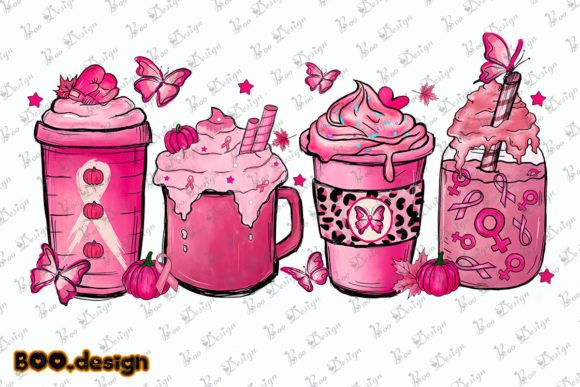
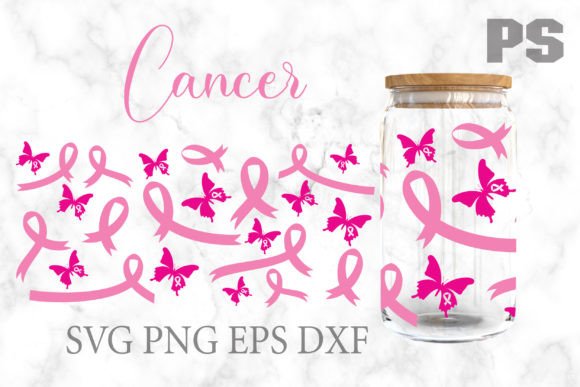
When a file labeled as a 16oz Breast Cancer Libbey Glass Can Svg lands on my desk, I do not immediately see a tumbler wrap. My eyes are trained to see thread, texture, and tactile emotional weight. The pink ribbon is a universal symbol of hope, resilience, and solidarity. As an embroidery designer, my job is to take a flat vector graphic and translate it into a dimensional, fabric-based statement that someone will wear, touch, and gift. The mood is deeply compassionate, yet it demands a crisp, professional execution to truly honor the cause.
The Artistic Heartbeat of the Awareness Ribbon
This design is not just about the shape; it is about the instant recognition it commands. The silhouette of the ribbon, likely central to the composition of the 16oz Breast Cancer Libbey Glass Can Svg, carries a quiet strength. When I look at a graphic like this, I am immediately assessing the scale. Is the ribbon too wide for a left-chest logo? Is it tall enough to be the focal point on the back of a jacket? The visual personality feels gentle yet bold, the kind of graphic that works beautifully as a standalone statement piece. The fact that it is packaged as a vector means the path is clean—a gift for any digitizer who hates spending hours cleaning up jagged, pixelated artwork before even starting the embroidery file.
Translating Vector Art to a Machine Embroidery Design
In the world of machine embroidery, the source file is everything. The 16oz Breast Cancer Libbey Glass Can Svg arrives as an SVG, a transparent PNG, and an EPS file. While the PNG is helpful for generating quick mockups or printable previews, I instinctually gravitate toward the EPS file. Adobe Illustrator paths are a digitizer’s best friend. They allow me to import the design directly into my digitizing software, define the boundaries, and assign stitch types without guessing the edges. The ribbon design is a classic candidate for a dense, glossy satin stitch. That shimmering texture is exactly what elevates a simple ribbon from a mere logo to a premium, high-value embroidery project.
First Impressions: Balance, Scale, and Emotional Weight
I opened the graphic to check the structural integrity of the design. A common issue with awareness ribbons is the overlap in the loop, which can look muddy if the stitch density is too high. This design feels well-balanced. The visual weight is evenly distributed, which means the final stitch-out will likely sit flat. I am already envisioning the thread color palette. Pink is not just pink; it is a spectrum of rose, magenta, and soft blush. Choosing the right thread—perhaps a high-sheen rayon or a robust polyester—will define the finished product. The heavy emotional weight of the theme means the stitching must be flawless; a single thread break or puckered fabric can ruin the elegance of the message.
The Digitizing Process: Where the SVG Shines
Because this is a dedicated vector file, converting it into a machine embroidery design is a surgical process. I can easily map out a running stitch for the underlay to stabilize the fabric, followed by a precise satin stitch for the ribbon. If I wanted to add a "cancer warrior" text or a date, the clean lines of the provided SVG allow me to scale the ribbon without losing resolution. I will warn other crafters: do not just auto-digitize this. The loops in the ribbon require manual angle adjustments to ensure the thread lays perfectly parallel. A poorly angled satin stitch can refract light differently, creating a patchy look. Hand-digitizing the 16oz Breast Cancer Libbey Glass Can Svg is the only way to get that glass-like finish on the thread.
Real-World Application: What Fabric Gets the First Stitch?
I am currently preparing inventory for a charity boutique event, and I need designs that sell. The 16oz Breast Cancer Libbey Glass Can Svg is versatile enough to anchor an entire product line. I never test a new digitized embroidery file on a client's garment first. I reach for a mid-weight, tightly woven cotton—a classic canvas tote bag. Tote bags are forgiving, flat, and make the perfect canvas for a bold, awareness-themed embroidery design. If the stitch-out looks pristine on a tote bag, I know it will translate beautifully to a sweatshirt or a zip-up hoodie.
The Classic Sweatshirt and Tote Bag Test
For the upcoming craft fair, I am planning a series of pink pigment-dyed sweatshirts. The contrast of a bright, glossy satin stitch ribbon against the soft, textured fleece is a best-seller. Customers love the tactile element. However, embroidery on fleece requires a careful touch. The dense fill of the ribbon can easily sink into the plush fabric if the stabilizer is inadequate. I always use a fusible, no-show mesh cutaway stabilizer for this type of project. It prevents the fabric from stretching out of the hoop and keeps the stitch definition sharp. The same goes for kitchen towels—a popular item for personalized gifts. A looped terry cloth towel will swallow the delicate curves of the ribbon unless I use a water-soluble topping. The topping sits on the fabric surface, holding the stitches up until a quick rinse removes it.
Navigating the Tricky Details of the Design
Not every garment is a blank canvas. The 16oz Breast Cancer Libbey Glass Can Svg has a specific shape that demands respect. I would categorically avoid placing this design on highly textured performance wear or extremely thin t-shirts. The risk of tunneling—where the fabric puckers around the dense stitches—is high. The ribbon is a magnificent embroidery design, but it is not a universal, one-size-fits-all stamp.
The Challenge of Curved Surfaces and Stretch Fabrics
I have a client who requested this design on a baby onesie. It is a touching gesture, but it requires a delicate touch. Baby apparel is stretchy and small. I had to scale the 16oz Breast Cancer Libbey Glass Can Svg down significantly, and I immediately checked the satin stitch width. If the stitch runs too narrow, it becomes a running stitch, losing the iconic ribbon texture. I also had to consider the hoop size. A 4x4 hoop is standard for small businesses, but the ribbon might need to be rotated or scaled to fit comfortably without clipping. Caps are another beast entirely. The curved surface of a baseball cap fights against a flat ribbon design. I usually avoid placing a wide ribbon logo on a structured cap; instead, I opt for the side panel or a flat unstructured dad hat.
The Business Angle: Adding Value for Etsy Sellers and Shops
From a commercial standpoint, the 16oz Breast Cancer Libbey Glass Can Svg is a strategic asset. While it is categorized under Graphics and Tumbler Wraps, the vector file is the golden ticket for a multi-product craft business. I can use it to create a cohesive brand aesthetic. The same digital design file can be used to print a vinyl tumbler, and then I can digitize the exact same shape into an embroidered patch. This creates a "bundle" opportunity for Etsy sellers. A customer might buy a personalized stainless steel cup and a matching embroidered tote bag for a gift basket. The consistency in the design assets increases the perceived value of the handmade product.
Commercial Licensing and Customer Trust
I always stop to consider the legal side before I start a profit-making project. The product description provides the file types, but it does not spell out the physical end-product license. If you are an Etsy seller or a small shop owner, you absolutely must confirm the commercial usage rights. Can you sell the embroidered sweatshirt? Can you apply the digitized version to a pillow cover? Trust is the foundation of the handmade community. I never assume a license is included just because the file is listed as a "Libbey Glass Can Svg." I contact the original creator to clarify if the finished physical product—specifically, an embroidered iteration—is allowed under their extended commercial terms. This protects your shop and respects the artist’s work.
Practical Embroidery Designer Notes
Before you thread your needle, let’s walk through the non-negotiable checklist that turns a graphic into a professional-grade finished product. Testing the design on scrap fabric is not just a suggestion; it is the only way to guarantee success. I always run a stitch-out on the exact fabric I plan to sell. I then wash it, dry it, and inspect it. Does the thread hold up? Does the pink dye bleed? The 16oz Breast Cancer Libbey Glass Can Svg will look pristine on the screen, but the embroidery file is a physical entity that interacts with the environment.
Here is my standard pre-production checklist for this specific design style:
- Thread Color Contrast: Test the design on both light and dark backgrounds. A soft pastel pink ribbon might disappear on a white shirt, while a neon pink thread might look aggressive on a charcoal grey. I often use a medium stabilizer and a dark background to make the satin stitch pop.
- Stitch Density Review: The smooth curves of the ribbon need a high density, but too much perforation can cut the fabric. I check the needle penetration count in my software.
- Black and White Mockups: Before committing to thread, I view the design in a black-and-white simulation. It helps identify if the saturation is balanced without the distraction of color.
- Stabilizer Selection: For a sweatshirt, use cutaway. For a structured tote, tear-away works. For a golf shirt, a no-show mesh is essential.
- Small Detail Inspection: If the ribbon features any tiny text or fragile curves, I run a slow-speed stitch-out to ensure the needle clears the dense areas without snapping.
I also think about the "giftability" factor. An embroidered item meant for a breast cancer survivor or a family member carries immense emotional weight. The presentation must be flawless. A loose thread or a misaligned ribbon loop on the 16oz Breast Cancer Libbey Glass Can Svg can feel disrespectful. I always trim the jump stitches perfectly and steam the fabric to remove any hoop marks. The final product should feel like a hug in textile form. It is this level of professionalism that builds buyer engagement and turns a one-time buyer into a repeat customer who trusts your brand implicitly.