Christmas Sublimation Tumbler Wrap: A Designer’s Review
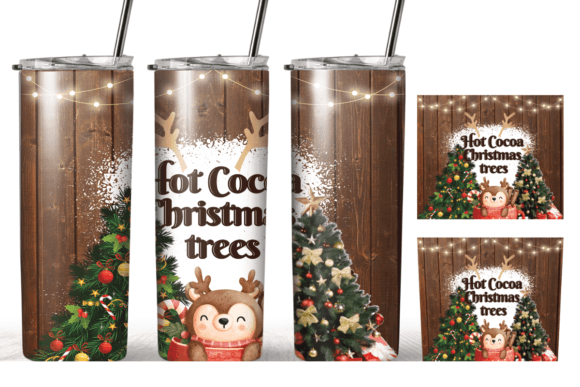
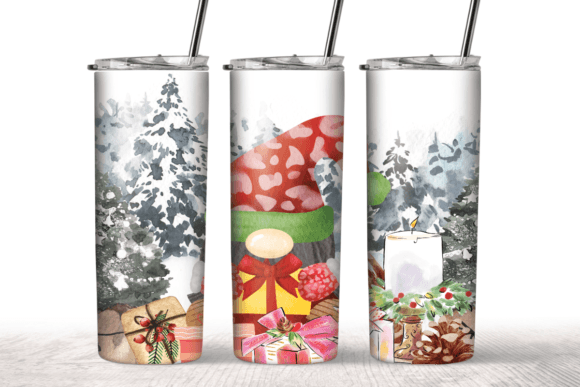
The first time I opened the Christmas Sublimation Tumbler Wrap, I felt an immediate wave of holiday nostalgia. The composition has that classic festive warmth—a snow-dusted scene with cheerful reds, deep greens, and tiny twinkling accents that feel like they belong on a handmade gift. As someone who evaluates design assets from an embroidery perspective, I wasn’t looking at this as a tumbler wrap alone. I was already imagining how it would translate onto a tote bag, a sweatshirt, or a keepsake pillow cover. The artwork is crisp, the layout is framed for a 20 oz skinny tumbler, and the fact that it includes both a straight and a tapered PNG file is a thoughtful touch that tells me the creator understands real-world use.
This is not an embroidery file, of course. It’s a high-resolution graphics product in the Crafts category, delivered as an instant download ZIP with two PNGs. The template size is 9.3 by 8.2 inches—generous for a full wrap—and the resolution holds up even when I zoom in to check the detail. For an embroidery designer, that means two things: first, the image quality is suitable for digitizing without losing the delicate lines of pine branches or the tiny holly berries; second, the overall dimensions are much larger than what most single-hoop embroidery machines can handle. That’s not a flaw, just a practical reality you’ll need to work around. I’ll walk through exactly how I’d approach it for a real project.
Prepping Holiday Tote Bags with a Tumbler Wrap Graphic
It’s early November, and I’m planning a batch of custom embroidered tote bags for a local craft fair. The idea is to offer something that feels like a boutique find—wintery, soft, and unmistakably handmade. I download the Christmas Sublimation Tumbler Wrap, unzip the folder, and immediately open the straight PNG. The tapered version will be more useful for curved mugs and tumblers, but for a flat tote panel, the straight file is the natural choice. I pull up my digitizing software and start analyzing the design the way I would any embroidery project.
The scene is a full wrap, so the composition sweeps from one edge to the other. That continuous flow is perfect for a tote bag’s front face, but I’ll need to split the design into manageable sections since my largest hoop is 8x12 inches. At 9.3 inches wide, the design just squeezes into that width, but the 8.2-inch height is a bit taller than even an 8x12 hoop can handle comfortably. I’d likely split it into two separate hooping areas—top and bottom—with careful registration marks. The high-resolution PNG gives me clean edges for auto-digitizing, but I’d still redraw the most intricate parts manually, especially the lettering if there is any tiny text, and the snowy pine sprigs that need a light, airy fill stitch rather than a dense satin that would stiffen the fabric.
I run a test stitch on a scrap of medium-weight canvas, the same fabric I’ll use for the totes. The reds pop beautifully against the natural cotton, and I adjust the thread colors to match the holiday palette—a deep burgundy for the berries, a soft spruce green, and a whisper of metallic gold for the stars. The design’s visual personality is cozy and classic, and I can already imagine a customer lifting it from a market table, smiling. That’s the real test of a design asset: does it create a feeling that translates into a sale? This one does.
How the Design Holds Up in Real Embroidery Situations
When I think about where this Christmas Sublimation Tumbler Wrap would shine in embroidery, the list starts with large flat surfaces. A tote bag is ideal, but so is a spacious pillow cover, a tea towel, or the back of a denim jacket. The wrap’s panoramic nature feels like a story unfolding, which makes it a strong candidate for personalized gifts and small shop products. On a sweatshirt, I’d scale it down slightly—maybe to 7 inches wide—to keep the design from overpowering the chest area. The high-resolution PNG allows that without losing clarity, which is a huge plus for visual appeal.
For baby items, the full wrap would be too large, but I could crop a section—the central sleigh or the snowy cottage, for instance—and use it as a focal point for a baby blanket corner or a tiny bib. The holiday theme is gentle enough for nursery decor, and when digitized with a soft underlay, it wouldn’t be rough against delicate skin. On aprons, the design would be a showstopper, running across the entire front panel. For caps, the tapered version is a better fit, but embroidery on a curved cap brim is always tricky. I’d test the design on a structured trucker hat using a cap hoop and a very stable cutaway stabilizer. The tapered file mimics the shape of a tumbler, but on a cap you’d need to arc the design to match the curve, so digitizing skills are essential here.
I also consider the handmade product presentation. If I’m selling on Etsy, a crisp, well-digitized version of this design on a linen pillow cover photographs beautifully. The design’s details—the snowflakes, the wreath, the little light strings—create texture that catches the light in a way buyers recognize as high-quality work. That level of stitching clarity builds trust and encourages repeat sales. For a commercial embroidery project, the graphic’s resolution is a solid foundation, but you’ll need to invest time in digitizing to get the stitch density right for the fabric you choose.
Practical Considerations Before Stitching This Design
Before you load a hoop, there are a few things you absolutely need to do. First, because this is a sublimation graphic and not an embroidery file, you’ll have to digitize it yourself or hire a professional digitizer. The template size, 9.3 by 8.2 inches, is your starting canvas, but you’ll need to adapt it to your hoop size. If you’re working with a 4x4 or 5x7 hoop, you’ll have to split the design into multiple sections, which means careful alignment and test stitching. I always recommend a full sew-out on scrap fabric before you touch your final product.
Stabilizer choice is critical. For a design this large, I use a heavy cutaway stabilizer on woven fabrics and a no-show mesh on knits to prevent puckering. The stitch density you choose will make or break the finished product. A design with many small elements—like the tiny stars and holly leaves—can become stiff if you fill them with dense satin stitches. I prefer a light fill stitch with a running stitch outline for the finer details, saving satin for the bolder borders. Thread color contrast is another factor. The design’s festive palette looks vibrant on cream, oatmeal, or soft white fabric, but on a dark background like forest green or navy, the reds and whites might need a boost. I test the design in black and white mockups to see if the tonal values hold up, and I often lighten the background fabric choice to keep the design readable.
Washing is a concern for items like aprons or tea towels. A large embroidery design can feel scratchy on the inside if not properly digitized with a soft underlay. I always add a layer of lightweight backing and use a topping on textured fabrics like terry cloth to stop the stitches from sinking in. For stretchy fabrics, I’ve learned the hard way that skipping the proper stabilizer leads to distorted shapes. So, test, test, test. And before you sell anything, verify the license from the seller. The product description says it’s an instant download ZIP, and it’s meant for sublimation, but many crafters use such graphics to create embroidery designs. You need to know whether you can use the digitized version on products you sell. I always reach out and ask if the license covers commercial finished items, because assuming is risky.
Where This Design Shines and Where to Be Extra Careful
Let’s talk about the sweet spots. This Christmas Sublimation Tumbler Wrap is a natural fit for holiday merchandise: embroidered tote bags, throw pillow covers, and even large zippered pouches. The wrap layout gives a sense of completeness, making the product look polished and intentional. For a small business, it’s a design that can carry a whole winter collection. The straight and tapered options mean you can adapt it to flat panels or gently curved surfaces without a lot of extra work. The fact that it’s a graphics product also means you can use it as a printable mockup, placing it on digital product previews to show customers what a finished embroidered item might look like. That’s a huge time-saver for Etsy sellers and design asset creators.
But there are places where I’d be cautious. A tiny hoop—like a 4x4—isn’t going to capture the charm of this design without significant cropping and reworking. You’ll lose the wrap-around narrative. On heavily textured fabrics like a thick knit sweater, the fine details might blur, so I’d stick to smoother surfaces. Dark garments, unless you digitize with a solid underlay, can swallow the darker colors. And for items that need frequent washing, like a baby bib or a kitchen towel, the large embroidery area might feel stiff if the stitch density is too high. I’d recommend keeping the design on a tote bag, a pillow cover, or a decorative wall hanging—products that aren’t laundered daily.
For caps, the tapered file is a good start, but the cylindrical shape of a tumbler doesn’t perfectly match the compound curve of a cap. I’d use the tapered version as a reference, redraw the arc in my digitizing software, and test on a cap hoop with a structured front. It’s doable, but it’s not a plug-and-play situation. The same goes for any curved surface like a sleeve or a small pouch. The design’s strength lies in its full-wrap storytelling, so I’d honor that by choosing a project that lets it stretch out.
Designer’s Bench Notes
If you’re a craft business owner or an embroidery enthusiast, here’s what I’d jot down after working with the Christmas Sublimation Tumbler Wrap:
- The high resolution gives you freedom to scale and crop without losing the cozy holiday feel.
- The straight and tapered PNG files are clever, but the tapered version is primarily for cylindrical sublimation blanks; for flat embroidery, the straight file is your go-to.
- Plan to digitize with a mix of fill and running stitches to keep the fabric soft and the details crisp.
- Always sew out a sample on the exact fabric you’ll sell, and check how the design looks from a foot away—that’s how buyers see it.
- If you’re using this as a design asset for a digital embroidery file you plan to sell, confirm the license terms. The download is instant, but the usage rights are not automatically clear from the listing.
I’ve used this graphic to create a test tote bag that now sits in my studio, and the reaction from visitors has been overwhelmingly positive. The design has a nostalgic, handcrafted personality that translates well into thread. It’s not a one-click embroidery solution, but for a maker who enjoys the digitizing process, it’s a wonderful starting point. The mood it creates—warm, festive, and a little whimsical—is exactly what customers look for in a personalized gift. With the right stabilizer and a thoughtful stitch plan, it can become a beautiful finished product that feels anything but mass-produced.
In the end, the Christmas Sublimation Tumbler Wrap is a smart graphics investment for a designer who knows how to bridge the gap between a sublimation template and a machine embroidery design. The dual file format, instant download delivery, and generous template size make it a flexible asset. Just keep your hoop size, fabric texture, and thread colors in mind, and you’ll have a holiday project that stands out on any craft fair table or Etsy shop page.